
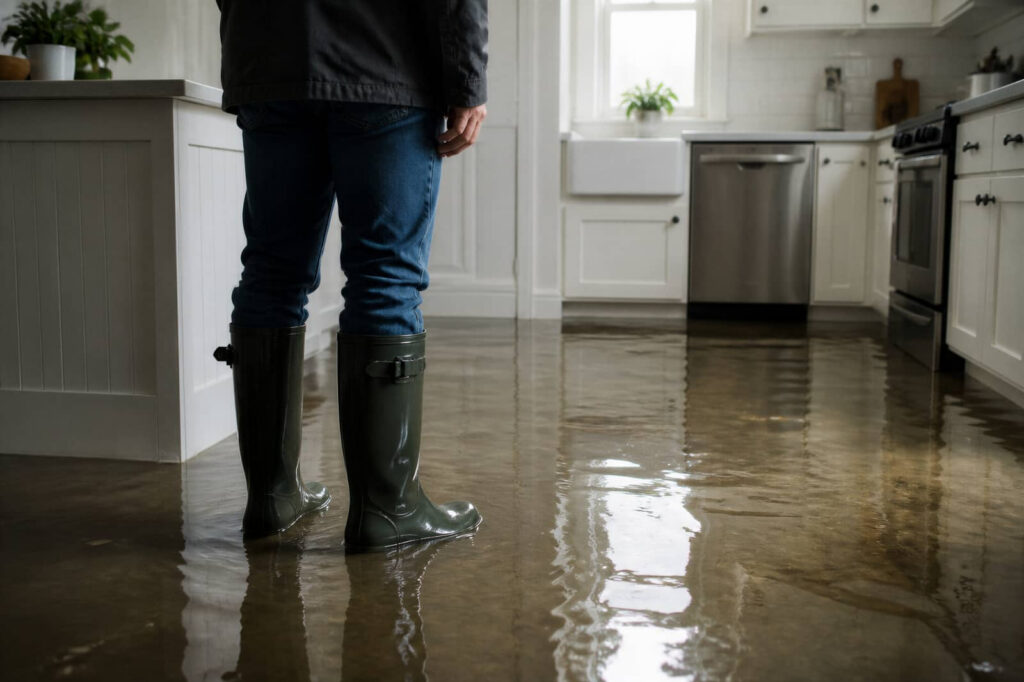
Like a case file with pages missing, hidden moisture after water damage can be easy to overlook. You can spot the first clues in swollen trim, peeling paint, warped flooring, and a musty odor that won’t fade. A moisture meter, careful wall and floor checks, and thermal imaging can reveal what your eyes can’t. Act quickly, and you can stop a small problem before it becomes a costly one.
Key Takeaways
- Check for visual signs like swollen paint, warped baseboards, buckled flooring, and stains that return after cleaning.
- Smell for persistent musty odors, which often indicate trapped moisture behind walls or under floors.
- Use a moisture meter on dry and affected areas to compare readings and locate hidden dampness.
- Inspect walls and floors for bubbling paint, soft drywall, hollow sounds, soft spots, or cupping and buckling.
- Call a water damage professional if moisture persists, the area is large, or contamination is possible.
Signs of Hidden Moisture After Water Damage
Wondering if water damage is still hiding in your home? You can notice hidden moisture after water damage by watching for subtle changes in materials and indoor conditions.
Painted walls may feel cool, look swollen, or show soft edges. Baseboards can warp or separate, and flooring may buckle or lose firmness underfoot.
In some rooms, you might detect a persistent musty odor that doesn’t fade with ventilation. You may also see staining that reappears after cleaning, or hear faint dripping where no plumbing runs.
These clues often mean water remains trapped behind finishes or beneath surfaces. When you spot them, stay calm; your home community faces this often, and prompt action can protect the structure and your peace of mind.
How to Check for Water Damage Warning Signs
You can check for water damage by inspecting surfaces for visible stains and spots that suggest moisture intrusion.
Look for peeling paint or wallpaper, since those materials often lose adhesion when hidden water has affected the wall assembly.
If you notice musty odors or persistent dampness, treat them as strong indicators that moisture may still be trapped nearby.
Visible Stains and Spots
Visible stains and spots often provide the first clue that hidden moisture is present. When you inspect walls, ceilings, baseboards, and flooring, look for discoloration that feels irregular in shape or intensity.
These marks can signal water that moved through building materials and left mineral residue behind. You don’t need to guess; compare affected areas with dry sections nearby to see subtle changes.
- Brown rings can indicate prior seepage.
- Yellow or gray blotches may show repeated dampness.
- Dark patches near corners often track trapped water paths.
If you spot these signs, document them and monitor whether they expand. That simple habit helps you stay informed, protect your space, and feel confident you’re catching damage early.
Peeling Paint or Wallpaper
Peeling paint or wallpaper often follows the stains and spots you’ve already noticed, because trapped moisture weakens the bond between finishes and the surface beneath them.
You should inspect edges, seams, and corners where material lifts, bubbles, or curls away from drywall. Press lightly; if the surface feels soft, swollen, or brittle, moisture may still be present behind it.
Check for repeated failure in the same area, especially near windows, baseboards, sinks, or plumbing runs. Don’t just patch the visible defect; verify the source first.
If you live in a shared building, compare the pattern with nearby units, since leaks can travel.
When you document these changes early, you protect your space and help your repair team target the hidden damage with confidence.
Musty Odors and Dampness
A persistent musty smell often gives away hidden moisture before you can see any damage, especially in enclosed spaces like closets, cabinets, crawlspaces, and behind baseboards. You should trust that odor; it usually signals damp materials, microbial growth, or trapped humidity.
Check for a cool, clammy feel on walls, floors, and stored items, since moisture often lingers where airflow is weak. If the scent returns after cleaning, the source is likely still active.
- Smell strongest near hidden cavities
- Dampness feels localized, not general
- Odor can intensify after rain or HVAC use
When you notice these signs, act quickly and document them. You’re not overreacting—you’re identifying a real pattern that helps you and your home stay protected.
Use a Moisture Meter the Right Way
When you use a moisture meter correctly, you can pinpoint trapped water that’s still hiding behind walls or beneath flooring after the surface looks dry. Set the device to the right material, then press the pins or sensor firmly against a clean, representative spot.
Take readings in several nearby areas and compare them to a known dry baseline. Higher numbers tell you where moisture persists, even when the surface feels normal. Move slowly and record each result so you can track patterns instead of guessing.
If your meter offers dual-depth or relative mode, use it to separate surface dampness from deeper retention. You’re not alone in this process; careful measurements help you make confident decisions and protect your space from lingering damage.
Check Walls for Hidden Water
Once you’ve ruled out surface dampness, inspect the walls closely for signs that water is still trapped inside. You can often spot subtle clues before damage spreads. Look for paint that bubbles, seam lines that darken, and drywall that feels soft or slightly swollen. Press gently with your hand; a hollow sound may mean the material has separated from the framing.
- Trace stains upward to find the highest wet point.
- Check corners, outlets, and base trim for discoloration.
- Use a flashlight at an angle to reveal texture changes.
If you find active moisture, keep the area ventilated and document the pattern.
You’re not alone in this process; careful wall checks help you protect the structure and make informed next steps.
Check Floors for Trapped Water
Next, inspect the floors for trapped water, especially where damage can hide beneath the surface. You should walk slowly across each room and note any soft spots, slight movement, or dull sounds underfoot.
Press along baseboards, seams, and junctions where flooring meets tile, wood, or carpet. If you notice cupping, buckling, or staining, moisture may be lingering below.
Lift a corner of loose carpeting or check beneath removable mats if you can do so safely. Use a moisture meter on suspect areas to confirm elevated readings.
Keep the area ventilated and avoid adding heat that could worsen damage. By checking methodically, you’ll protect your home and stay aligned with others who handle water damage carefully and confidently.
Use Thermal Imaging to Trace Water
After checking surfaces by touch and sight, use thermal imaging to look for hidden moisture behind walls, under flooring, and around ceilings. You’ll see cooler areas where water changes surface temperature, letting you trace likely intrusion paths without opening every cavity.
Scan slowly in overlapping passes, then compare suspect zones with dry areas nearby. In your home, this method helps you work with the structure instead of guessing.
- Cooler patches often mark trapped water.
- Sharp temperature edges can show migration lines.
- Consistent readings help you confirm the wet zone’s reach.
Use the camera in stable conditions and document every anomaly. That record gives you confidence and helps your team stay coordinated while you map the damage.
Dry Wet Materials Before Mold Starts
As soon as you identify damp materials, dry them quickly to slow mold growth and further deterioration. Remove standing water, then increase airflow with fans and dehumidifiers to lower relative humidity below 60%.
Open wall cavities, baseboards, and cabinet backs if you can access them safely, because trapped moisture lingers in hidden layers. Pull soaked rugs, padding, and porous items apart so air reaches every surface. Wipe hard surfaces with clean, dry cloths, and keep materials off concrete with spacers or blocks.
Check moisture-prone areas twice daily, since cool corners dry slower. You’re not alone in this process; steady, methodical drying gives your space the best chance to recover cleanly and reduces the conditions mold needs to take hold.
When to Call a Water Damage Pro
Call a water damage pro when moisture keeps showing up after you’ve dried visible surfaces, because trapped water often hides in wall cavities, subfloors, insulation, and other enclosed spaces. You’re not overreacting; you’re protecting your home and your people.
You smell musty odors after drying.
You see baseboards swell, paint bubble, or floors cup.
Your meter or thermal camera still shows elevated readings.
A pro uses moisture mapping, infrared imaging, and targeted probing to find the source fast. They also know when demolition, antimicrobial treatment, or structural drying is needed.
If the affected area is large, if clean water sat more than 24 hours, or if contamination is possible, call right away. Acting early helps you stay in control and brings your space back to a healthy, familiar state.
Frequently Asked Questions
How Long Can Hidden Moisture Stay Undetected?
You can miss hidden moisture for days, weeks, or months, depending on materials and airflow. If you act quickly, you’ll reduce mold risk, protect your home, and feel confident about recovery.
Can Hidden Moisture Affect Indoor Air Quality?
Yes, hidden moisture can affect your indoor air quality by promoting mold, musty odors, and airborne irritants. You’ll reduce risks quickly by drying materials, improving ventilation, and using professional moisture detection when needed.
Does Insurance Cover Hidden Water Damage Repairs?
Usually, yes—if your policy covers sudden, accidental water damage. About 1 in 50 insured homes files a water-damage claim yearly. You should document hidden moisture, call your insurer quickly, and get professional repairs approved.
What Materials Trap Moisture Most Easily?
Porous materials trap moisture most easily: drywall, insulation, carpet padding, wood framing, and particleboard. You’ll also find water in subfloors and concrete cracks, so you should inspect these areas carefully and dry them fast.
Can Hidden Moisture Damage Electrical Systems?
Yes—hidden moisture can corrode wiring, short circuits, and weaken breakers like unseen rust in a storm. You’ll want a licensed electrician to inspect, test, and dry affected areas before you restore power safely.
Review
Hidden moisture can linger long after visible water dries, so you need to check carefully. You can spot swelling, peeling paint, warped baseboards, and musty odors, then verify dampness with a moisture meter and thermal imaging. If you dry materials quickly, you lower the risk of mold and structural damage. Why wait for hidden water to cause bigger problems? If readings stay high or the area is extensive, call a water damage pro.