
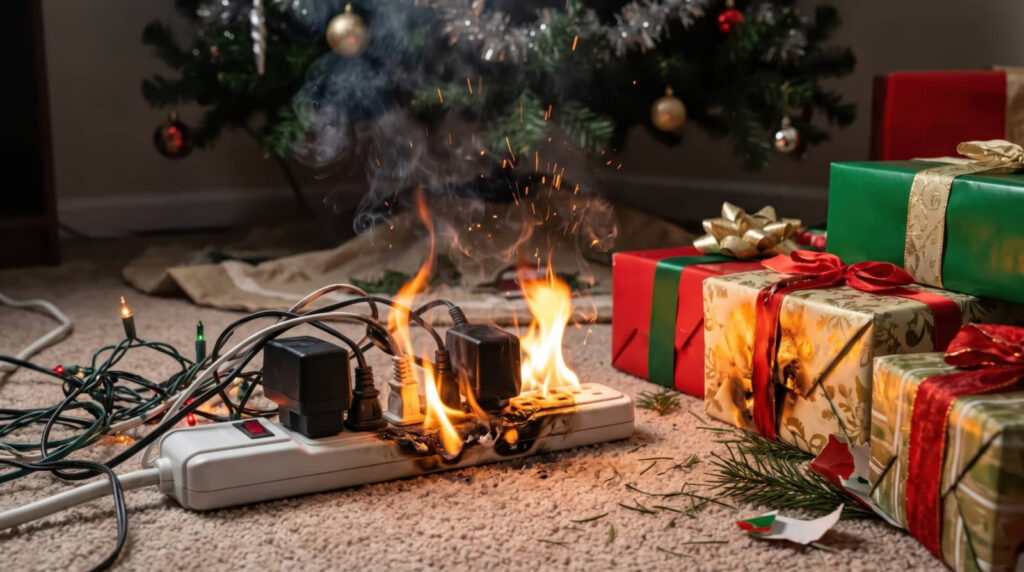
After a house fire, you may be able to save more than you think, but the answer depends on the type of damage, the material, and how fast you act. You’ll need to sort salvageable items from those that can’t be safely restored, and each category has its own cleaning method and limits. Some belongings can be recovered with professional contents cleaning, while others may need to be discarded—but the deciding factors aren’t always obvious.
Key Takeaways
- Hard, nonporous items like dishes, metal décor, and some electronics are often salvageable with professional cleaning.
- Upholstered furniture, wood furniture, clothing, bedding, curtains, books, and photos may be restored after fire damage.
- Quick action improves recovery, especially for textiles and documents exposed to soot or moisture.
- Items with warped metal, melted plastic, charred wood, heavy soot, or severe water damage are usually not worth saving.
- A fire-restoration professional should inspect items for heat, soot, moisture, odor, and hidden damage before deciding salvageability.
What Contents Cleaning Can Save
Contents cleaning can often save more than you might expect after a house fire.
With contents cleaning after a house fire, you can often restore furniture, clothing, books, photos, kitchenware, electronics, and keepsakes that didn’t suffer direct heat damage.
You’ll usually have the best results with items that have limited soot exposure, intact surfaces, and materials that respond well to professional washing, wiping, or deodorizing.
Hard, nonporous belongings often recover better than porous ones, and textiles can sometimes be cleaned if you act quickly.
Your goal is to preserve what still has structure and memory.
You’re not alone in this process; careful cleaning helps you reclaim familiar pieces and rebuild a livable space with confidence and practical hope.
How Fire Damage Is Evaluated
Before any cleaning begins, a fire-restoration professional evaluates each item to determine whether it can be salvaged safely and effectively.
You’ll usually see a careful inspection of heat exposure, soot type, moisture, odor, and structural damage. The technician checks surfaces, seams, joints, labels, and hidden areas for warping, corrosion, staining, or smoke intrusion. They may test fabrics, finishes, and electronics to see how materials respond.
This process helps them decide what needs specialized treatment and what requires secure handling during transport. You’re part of that review, too, because your concerns and priorities guide the plan.
A clear assessment protects your belongings, reduces guesswork, and sets realistic expectations. It also gives you a path forward, so you can move through recovery with confidence and feel supported.
Which Items Can Usually Be Restored
Many household items can be restored after a fire if the damage is limited to soot, smoke, or light heat exposure. You can often save upholstered furniture, wood furniture, clothing, bedding, curtains, books, paperwork, dishes, and many decorative pieces.
Electronics may also be recoverable when trained technicians clean internal residue and check for corrosion. Hard, nonporous items usually respond well to washing, deodorizing, and controlled drying.
Textiles often improve with specialized laundering and odor removal. Paper records, photos, and important files may need careful drying and digitizing support.
Your cleaning team will sort, inventory, and pack these contents so each item gets the right process. That approach helps you protect what matters and feel more grounded while recovery moves forward, one item at a time.
When Contents Cleaning Won’t Work
Not every fire-damaged item can be cleaned back to a usable condition. When heat has warped metal, melted plastic, or charred wood deep through the structure, you’re better off replacing it.
You’ll also need to retire anything with severe water intrusion, heavy soot on porous surfaces, or electrical damage that compromises safety. Delicate electronics, upholstered items with burned padding, and heavily stained mattresses often fail inspection.
If an object lost its shape, strength, or function, cleaning won’t return it to your home safely. You don’t have to guess alone; a restoration team can sort salvageable pieces from losses and explain why.
That clear guidance helps you protect your household, reduce risk, and move forward with confidence after a hard event.
How Smoke Odor Is Removed
You’ll start by identifying where the smoke odor is trapped, since porous materials, hidden cavities, and residue on surfaces can keep releasing odor over time.
Once you know the source, you can use targeted deodorizing methods such as cleaning, thermal fogging, ozone treatment, or encapsulation to neutralize the smell.
With the right process, you can reduce odor without damaging the contents and improve the chance of successful restoration.
Odor Source Identification
Smoke odor removal starts with finding the source of the contamination, because soot and odor particles can settle into different materials in different ways. You’ll want a careful inspection so you can see where smoke reached and where hidden residues stayed trapped.
- Check porous items first, like upholstery and fabrics.
- Look inside drawers, cabinets, and closed compartments.
- Review hard surfaces for film, staining, and residue.
- Compare affected and unaffected rooms to map odor paths.
When you identify the source, you can judge which belongings need focused attention and which ones may already be stable. That process helps you feel informed, not overwhelmed, and keeps your cleanup plan clear.
You’re not dealing with this alone; every item you assess brings you closer to a fresher, safer space.
Deodorizing Treatment Methods
Once the source has been identified, deodorizing can begin with methods matched to the material and the level of contamination. You’ll often start with HEPA vacuuming and dry soot removal, which strip loose particles before odor binds deeper.
For washable contents, you can use immersion cleaning, controlled detergents, and odor-neutralizing additives. Hard goods may need wiping, abrasion, or encapsulation after cleaning.
Fabrics and upholstery respond well to ozone, hydroxyl, or thermal fogging when technicians control exposure and ventilation. Porous items sometimes need repeated treatment because smoke migrates into fibers, foam, and seams.
You’re not expected to guess which method fits each item; a trained team will test, track results, and adjust. That process helps you keep more of your belongings and regain a cleaner, safer space.
Contents Cleaning for Furniture
You’ll first assess each furniture piece for structural damage, checking frames, joints, cushions, and finishes to confirm it’s safe to clean.
Then you’ll remove smoke residue with the right dry or wet cleaning method for the material so you don’t spread soot or set stains.
For upholstered pieces, you’ll deodorize the fabric and padding to reduce lingering smoke odor and help the item recover fully.
Assessing Structural Damage
Before any furniture gets cleaned after a house fire, you need to assess its structural damage. You’ll protect your investment and avoid hidden failure by checking the frame, joints, legs, springs, and load-bearing surfaces.
If you belong to a household rebuilding together, this step helps you make confident decisions. Look for warping, cracking, separation, and softness that signals heat or water damage.
- Test each leg for wobble.
- Press cushions and seat platforms for collapse.
- Inspect joints for looseness or splitting.
- Compare symmetry; any twist can mean stress.
If a piece sags, shifts, or won’t hold weight, set it aside for professional review.
When the structure stays sound, you can move forward with greater confidence.
Cleaning Smoke Residue
Smoke residue should be removed as soon as possible, since soot can etch finishes, stain fabric, and hold odors in furniture. You should vacuum loose particles with a HEPA tool, using a soft brush attachment and light passes to avoid grinding grit into the surface.
Then wipe hard, nonporous parts with dry-cleaning sponges or a manufacturer-approved cleaner, testing a hidden spot first. For wood, follow the grain and dry the area right away. For leather, use a pH-balanced cleaner and minimal moisture.
Remove cushions, clean seams, and check joints where soot settles. If you work methodically, you’ll protect the piece’s structure and improve its chances of recovery. You’re not alone in this process; careful cleaning now can make restoration more likely and less costly.
Deodorizing Upholstered Pieces
Once the soot is removed, upholstery still needs odor treatment because porous padding and fabric can hold smoke molecules long after surfaces look clean. You can often save upholstered pieces with the right process and a skilled contents team.
- HEPA vacuum the surface and seams.
- Apply a fabric-safe deodorizing agent.
- Use controlled ozone or hydroxyl treatment.
- Dry completely to prevent mildew.
You’ll get better results when you identify salvageable items early, since some fills trap odor deeper than others. Your technician may also test hidden areas before treatment, so you won’t risk setting stains or weakening fibers.
With careful cleaning, your furniture can rejoin your home with a fresher, safer feel, and you can feel confident that you still belong in your space.
Contents Cleaning for Clothing and Fabrics
Clothing and other fabrics often can be cleaned and salvaged after a house fire, but you’ll need to sort them carefully before treatment.
Separate washable items from dry-clean-only pieces, and keep anything with melted fibers, heavy soot, or structural damage aside for professional review.
Shake out loose debris outside, then bag each category so soot doesn’t spread.
You can usually launder sturdy cottons, linens, and synthetics with an odor-removing detergent and a rinse booster.
Use the warmest safe water, but follow care labels to protect fabric strength.
For delicate garments, curtains, and upholstery covers, choose wet cleaning or controlled dry cleaning.
If smoke odor lingers after one cycle, repeat treatment rather than overloading the washer.
You’re not alone in this process; careful handling gives fabrics the best chance.
Saving Documents, Photos, and Books
You should first assess each document, photo, and book for heat, soot, water, and mold damage so you can choose the right recovery method.
For photos, you’ll need to dry them flat in a clean, cool space with good airflow and handle them by the edges to prevent image loss.
For books, you can often reduce further damage by air-drying them upright or interleaved with absorbent paper, then stabilizing them for professional cleaning if needed.
Assessing Paper Damage
Paper records can often survive a house fire if you assess the damage quickly and handle them with care. You can usually save items with light smoke, soot, or edge scorching, especially when the paper still holds its shape.
Check each piece under good light and sort it by condition, value, and urgency. Keep your hands clean and dry, and avoid rubbing fragile surfaces.
- Stable: minor discoloration, no brittleness
- Weak: curled, softened, or torn edges
- Severely damaged: charred, fused, or crumbling pages
- Collectible: photos, deeds, letters, and books with personal value
If a document feels stuck together or breaks when lifted, set it aside for professional treatment. You’re not alone in this process, and careful sorting gives your family the best chance to recover what matters.
Drying Photos Safely
If photos or important papers were exposed to water during firefighting, dry them as soon as possible to limit warping, sticking, and mold growth.
Handle each print by the edges and keep surfaces from rubbing together. Lay photos face up on clean, unprinted paper towels or plain blotter paper in a single layer. If you can’t separate them, leave them stacked until they soften, then gently peel them apart.
Use cool, moving air from a fan, not heat, sunlight, or a dryer. Replace damp towels often so moisture doesn’t linger.
Wear clean gloves if you’re sorting family keepsakes, and label items as you go so you stay organized.
If images are badly stuck or emulsions feel fragile, stop and call a fire-restoration professional.
Book Recovery Methods
Books and documents can often be salvaged after a house fire, but quick, careful handling matters. You should wear clean gloves, separate damp items, and keep pages flat so they don’t tear. If soot is loose, don’t rub it; lift it with a soft brush or vacuum screen.
- Air-dry books upright with pages fanned slightly.
- Freeze wet paper records if you can’t dry them within 48 hours.
- Interleave photo and document pages with plain paper.
- Contact a professional conservator for charred, fragile, or moldy materials.
You’re not alone in this process; many collections can be stabilized with prompt care.
Keep items in a cool, dry room and avoid heat, sunlight, and forced air.
How Valuables Are Cleaned and Protected
Valuables are cleaned with careful, item-specific methods so you can recover as much as possible without causing further damage. You’ll see technicians assess each piece, then use dry soot sponges, controlled hand cleaning, ultrasonic baths, or solvent-based detailing when materials allow.
Metals are stabilized, polished lightly, and dried to prevent corrosion. Jewelry, watches, and collectibles get wrapped in protective materials after cleaning, so they don’t scratch or recontaminate.
Delicate finishes are handled with low-moisture tools and pH-balanced solutions that lift residue without stripping surfaces. If smoke odor lingers, ozone or hydroxyl treatment may help in a sealed chamber.
Throughout the process, you stay informed, and your items stay grouped, labeled, and tracked, so your belongings are treated with care and returned ready for secure storage.
How to Decide What to Keep or Toss
When you sort contents after a house fire, you should separate items into keep, clean, restore, and discard groups based on material damage, smoke exposure, soot loading, and safety concerns.
You’ll make better calls when you inspect each piece for warping, charring, corrosion, and odor. If an item is porous, unstable, or contacts food or skin, toss it sooner.
If it’s structurally sound, nonporous, and lightly affected, you can often clean and save it. Trust your restoration team, because you’re not deciding alone.
- Check safety first
- Separate salvageable items
- Flag high-risk materials
- Document everything you choose
This process helps you stay organized, reduce loss, and protect your household’s comfort while you rebuild together.
Frequently Asked Questions
How Soon Should Contents Cleaning Begin After a Fire?
You should begin contents cleaning as soon as the fire department clears the site; prompt action cuts smoke damage, corrosion, and odors. You’ll improve salvage chances, and you can start recovery with confidence.
Is It Safe to Clean Fire-Damaged Items Myself?
No, you shouldn’t clean fire-damaged items yourself. You’ll face toxic soot, sharp debris, and hidden hazards. You’re safer hiring trained technicians; they’ll assess, clean, and deodorize your belongings while protecting your home and health.
Do Insurance Claims Cover Contents Cleaning Costs?
Yes, your policy often covers contents cleaning costs if fire damage caused the loss. You should review your limits, deductibles, and exclusions, then document every item and work with your adjuster to support reimbursement.
Can Electronics Be Restored After Smoke Exposure?
Yes—electronics can often be restored after smoke exposure, even if they look like tiny disaster zones. You should have them professionally inspected, cleaned, and deodorized quickly; corrosion, residue, and trapped odor can otherwise ruin performance.
How Are Sentimental Items Handled During Contents Cleaning?
You’ll have sentimental items documented, carefully packed, and prioritized for gentle cleaning or preservation. Technicians assess each piece, remove soot, deodorize, and stabilize damage, so you can keep cherished reminders and feel supported throughout recovery.
Wrap-Up
After a house fire, you can still save more than you might think. With quick contents cleaning, you may restore furniture, clothing, dishes, photos, and even some electronics before damage sets in. Trust a restoration team to judge what can be salvaged and what must go. Like Phoenix rising from ash, recovery starts with careful action. If you act fast, document losses, and protect what remains, you’ll give your belongings—and your home—a better chance to recover.